
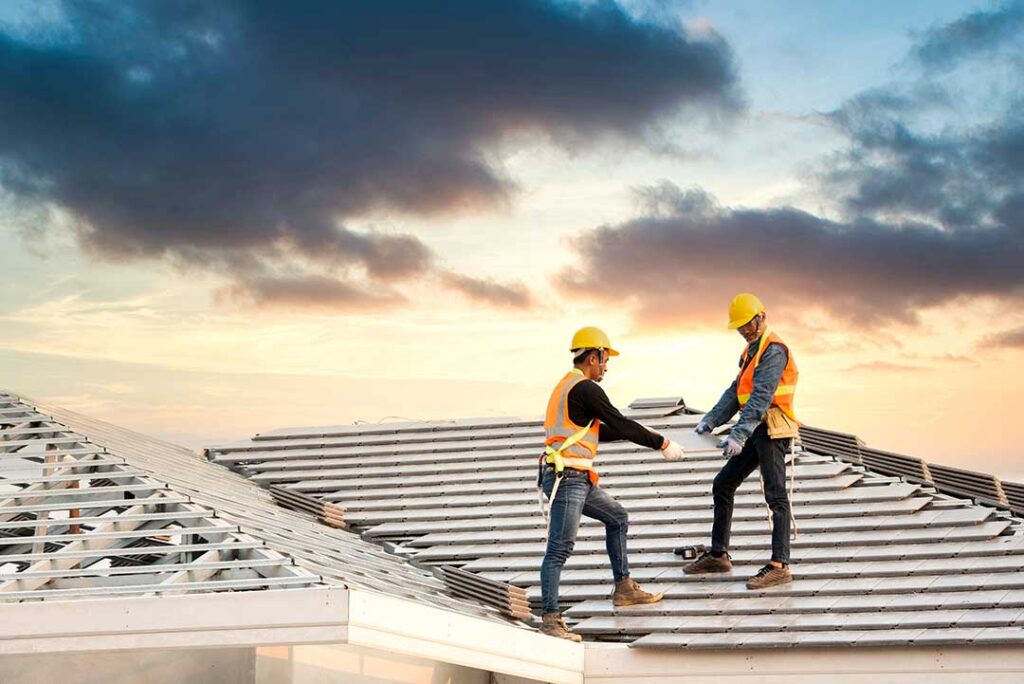
Why Would Residents of Delmar, NY Need to Walk on Their Roof?
Some area households find themselves needing to access their roofs for routine maintenance, cleaning gutters, checking for signs of wear, or minor repairs. While many tasks can be accomplished with a sturdy ladder from the ground, certain situations make rooftop access necessary. Understanding the risks, especially given the seasonal climate in the region, helps local residents stay protected while completing these household tasks.
What Are the Main Risks of Walking on a Roof in Delmar?
Walking on a pitched residential roof poses several hazards:
- Risk of falls, especially during wet, icy, or windy conditions that are common across the city from late fall through spring
- Potential for damaging roofing materials, including asphalt shingles, slate, or tile found on many local homes
- Encountering brittle or rotted roof decking, particularly in older houses
- Accidental contact with overhead electrical lines or nearby tree branches
Falls from even a one-story roof can result in serious injury. Additionally, improper movement can dislodge shingles or flashing, leading to leaks that are difficult to spot until water damage has occurred.
What Preparation Should Residents Make Before Getting on a Roof?
Start by planning both when and how the work will take place. Early morning or late afternoon on a dry, windless day is safest, avoiding both summer’s midday heat and icy conditions common outside late spring through early fall. Before stepping onto the roof:
- Inspect the area from the ground for visible damage, sagging, or debris that may indicate weak spots
- Choose footwear with non-slip, rubber soles
- Wear comfortable clothing that allows for free movement but won’t catch on edges or protrusions
- Gather needed tools in a tool belt or secure bucket to keep hands as free as possible
Always make sure someone else knows you will be accessing the roof, and have a charged phone close by in case of emergency.
Are There Specific Roofing Types in Delmar That Require Extra Caution?
Yes, certain roofing materials commonly found on houses in the area present additional risks:
- Slate and tile: Both can be extremely slippery, especially when wet or frosty. They may also crack or break under concentrated weight.
- Metal: Becomes dangerously slick even with minimal moisture; in summer, can become hot enough to cause burns.
- Older asphalt shingles: These may lose their granular surface over time, creating unsteady footing, particularly near the eaves.
Flat sections, such as porch or garage roofs, may seem less hazardous, but soft spots hidden under older membranes are a concern. Always test with slow, even pressure before fully committing your weight.
What Techniques Help Residents Move Safely on a Roof?
Begin with a three-point stance whenever possible (two feet and one hand in contact with the surface). Move slowly and deliberately, keeping weight centered over each foot. On pitched roofs:
- Stay low to the surface to reduce risk of slips
- Move diagonally—not straight up or down—the roof, angling feet for better traction
- Avoid stepping directly on the edge of shingles or tiles, which may break or shift
For valley or ridge areas common in local architecture, use extra caution not to disturb flashing or step into low, hidden pockets where debris or moisture may linger.

How Can Ladders Be Used Safely in Delmar’s Changing Weather?
Ladder placement is critical. Ensure it sits on stable, level ground—never on ice, snow piles, mulch, or loose gravel often found in Delmar yards. The ladder should extend at least three feet above the edge of the roof and be secured, if possible, to avoid shifting. In windy or stormy conditions, delay roof access until conditions are stable, as sudden gusts have been known to topple ladders or unbalance users.
Consider these extra steps:
- Check the ladder’s rubber feet for wear or embedded grit
- Never carry tools while climbing; use a bucket and rope to hoist items after you’re stable
- Always face the ladder when ascending or descending
What Weather Factors Should Be Considered Before Walking on a Roof?
The climate in the area means timing is critical. Moisture from rain, dew, or melting snow creates slip hazards far beyond what may be visible. Frost, particularly on north-facing slopes, is a year-round risk in shaded sections. Check the roof after sunrise for any lingering dampness—shaded areas may not dry until late morning or early afternoon after overnight cooling.
Extreme summer heat, particularly on darker shingles, can cause the roofing materials to soften underfoot, increasing damage risk. Pause for frequent hydration and take extra care to avoid heat-related illness during these conditions.
Are Special Safety Tools or Equipment Recommended for Area Households?
Basic equipment can reduce risk for those who must briefly access residential roofs:
- Non-slip footwear as mentioned above
- A harness and roof anchor on particularly steep or high roofs (these can be rented from equipment suppliers)
- A roofing “chicken ladder” (a specialty ladder that hooks over the ridge for safer footing) is helpful for longer or steeper sections
However, setting up fall protection equipment requires knowledge of anchor points and suitable roof structure—something best reserved for those familiar with safely installing and using this gear.
What Should Local Residents Do If Their Roof Is Difficult to Access or Shows Structural Problems?
If the roof is unusually steep, high, or if there are visible signs of rot, heavy moss, large accumulations of snow, or electrical hazards nearby (such as close power lines), avoid direct access. In these situations, the risks—both to safety and to the structure itself—increase, and alternate methods, such as using a drone or taking photos from the ground with a zoom lens, may help identify issues before more extensive action is needed.
Always prioritize personal safety and consider whether the task can be completed from a ladder or the ground first.
