
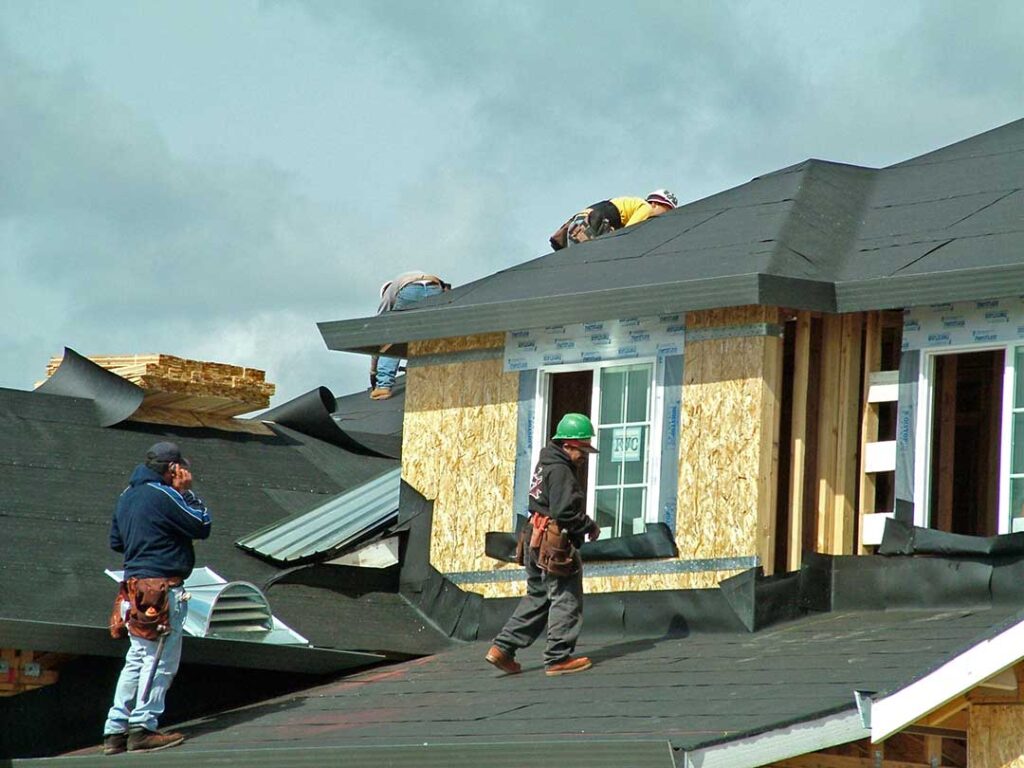
What Is a Roof Tear-Off and Why Is It Done?
A roof tear-off involves removing all existing layers of roofing material down to the roof deck before installing a new roof. This process is often chosen over simply adding another roofing layer when the underlying structure needs inspection, if the old material is damaged, or when local codes and weather demands make full replacement the best option.
In Delmar, roofs experience the full range of upstate New York weather—heavy snow, freeze-thaw cycles, and spring rains—which can accelerate roofing wear. Inspecting the decking underneath old shingles helps to identify hidden issues like rot, water damage, or insufficient ventilation that are common in the area’s mix of older homes and mature shade trees.
How Long Does a Roof Tear-Off Take in Delmar?
Most single-family homes in the community can expect a tear-off and replacement to last anywhere from one to three days, depending on the size and complexity of the roof, weather, and material type.
The process itself usually follows this timeline:
- The first day is mainly for set-up and the physical removal of old materials.
- The second day (if needed) involves repairs to underlying wood or structures, followed by new material installation.
- Extensions may occur for larger homes or if rain and wind delay work, which is common during the variable transitional seasons locally.
What Kind of Disruption Should Residents Expect?
Expect some noise, vibration, and disruption during the process. Roofing tear-offs are among the louder home repair projects, as removing old shingles and nails creates significant banging and scraping. Tarps and plywood are typically used to protect landscaping and windows, but minor debris or dust is a normal part of the project.
Most residents in Delmar find it helpful to:
- Move outdoor furniture, grills, and potted plants away from the work zone.
- Keep pets and small children indoors for their safety.
- Park vehicles away from the driveway or garage to avoid debris or blocked access.
How Should Homeowners Prepare for a Roof Tear-Off?
Preparation helps minimize inconvenience. Residents can take these simple steps:
- Remove items from attic spaces or walls directly under the roof that might be affected by vibration (fragile items, photos, and small shelves).
- Alert neighbors to expected noise, especially in tightly clustered neighborhoods.
- Note that home security systems with motion or sound sensors may be triggered during work.
- Secure agreements on material disposal and yard clean-up with the crew before work starts—roofing debris is heavy and can scatter with wind, especially in the spring and fall.
What Happens When the Old Roof Is Removed?
After the old shingles and underlayments are stripped away, the deck is inspected for:
- Roof board rot or soft spots
- Signs of water penetration or mold
- Weak points near eaves or valleys (where leaks or ice dams often develop in this area)
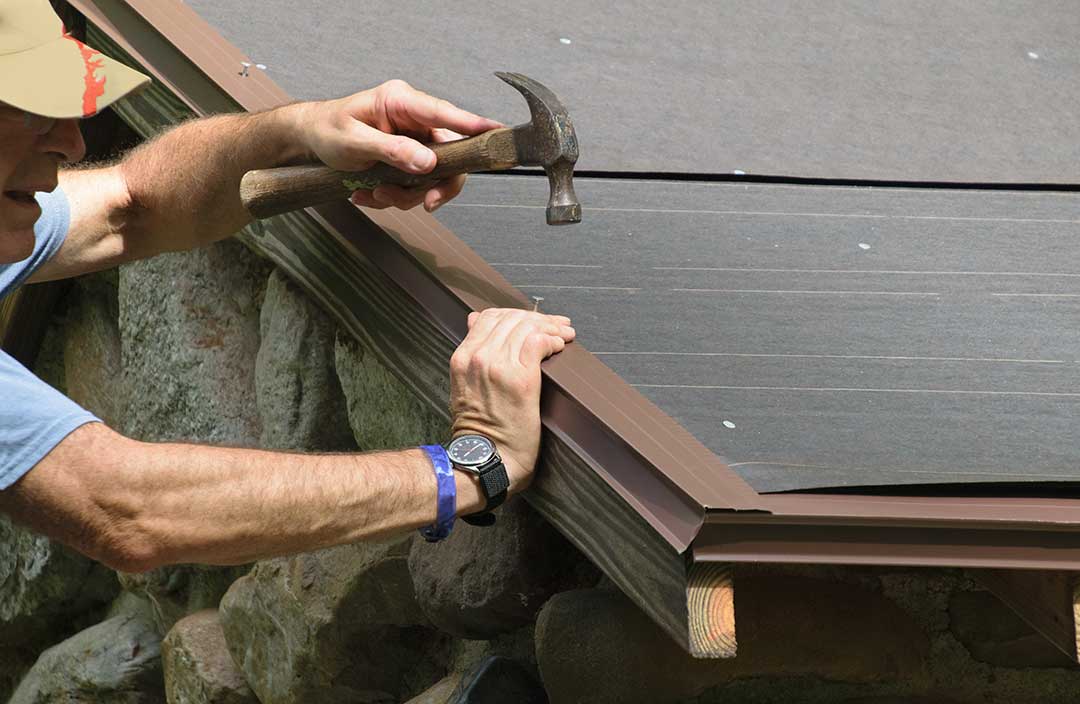
It’s common to find minor repairs needed under old roofs in Delmar’s housing stock, particularly in post-war homes or those shaded by mature trees, where moisture issues can develop unnoticed.
What Misconceptions Do Local Residents Have About Roof Tear-Offs?
Many assume the process causes long-term mess or requires total disruption to daily life. In reality, with careful planning, most households continue normal routines during work. Clean-up is thorough, but some small debris in garden beds or flower beds may remain even after magnets are used to pick up nails. Residents often underestimate the importance of checking attic ventilation and insulation during this process, which helps support better roof performance in the city’s mixed climate.
Are Special Permits or Approvals Needed in Delmar?
In Delmar, roofing work that involves full tear-off usually requires a building permit from the local municipality. Inspections may be required at various stages, particularly before new material is installed over newly exposed decking. Requirements can vary for historic or zone-specific neighborhoods, especially in established parts of the community.
Homeowners benefit from confirming permit needs and any homeowners’ association restrictions before scheduling work, especially if waste containers or dumpsters will be left on the street.
What Should Be Checked After the Tear-Off Is Complete?
Residents should:
- Walk around their home to ensure nails, shingles, and packaging have been removed from lawns and flower beds.
- Look in attic spaces for any signs of dust or debris and check for light coming in where there shouldn’t be any.
- Monitor gutters and downspouts during the next rainfall to confirm they’re free of granules and blockages, a frequent issue after intensive roofing projects.
A quality job should leave no exposed edges or missing pieces, and the attic should feel free of new drafts or leaks. Re-inspection after a significant weather event (like summer thunderstorm or a winter thaw) can help catch any early concerns.
What Are Commonly Overlooked Factors in Roof Tear-Offs?
- Waste Disposal: Debris must be removed in accordance with local rules, which sometimes restrict placement of dumpsters or require covered loads when haulers travel through residential streets.
- Timing: Spring and fall are popular times for projects due to milder temperatures, but they can be unpredictable for rain and wind. Planning flexibility helps avoid seasonal slowdowns.
- Insurance and Documentation: Many residents overlook updating home insurance records or keeping detailed project documentation, which can be useful for future claims or home sales.
Local experience has shown that residents who have clear expectations and open communication with project managers experience fewer surprises and a cleaner, faster result.
