
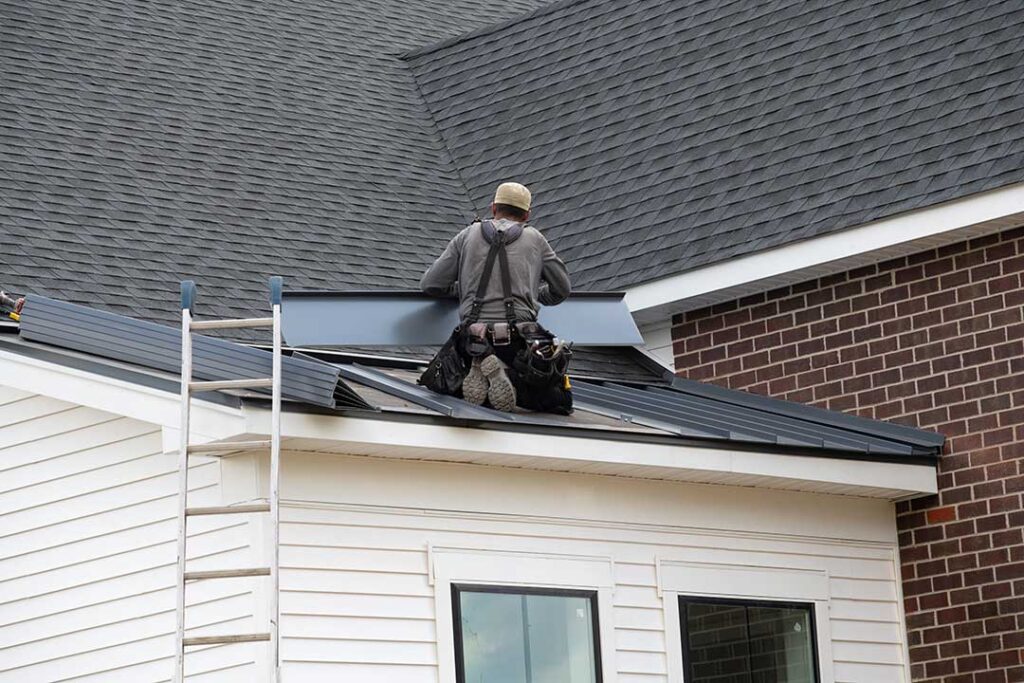
Why Is Matching Shingles Necessary for Roof Repairs?
Matching replacement shingles is essential for keeping your roof watertight and maintaining its appearance. In Delmar, NY, weather extremes from hot summers to snowy winters mean roofs age uniquely. When only a few shingles need replacing, getting the right match prevents obvious patchwork and ensures the repair blends in with the rest of your roof, which helps maintain property value and curb appeal.
What Factors Affect Shingle Matching in This Area?
Replacing shingles in the area involves more than just finding the same color off the shelf. Several factors can complicate the process:
- Age and weathering: Sun, snow, and rainfall in Delmar gradually change the color and texture of shingles. New shingles, even if technically the same color, often look fresher than aged ones.
- Original type and brand: Different manufacturers use varying granule blends or patterns. Even shingles labeled as the same color can differ in finish or granule size.
- Roof slope and exposure: Parts of a roof exposed to more sunlight or moss may age differently, making matching even trickier.
Locally, many homes also feature a mix of roof shapes—such as steep peaks or dormers—that catch the light in different ways, subtly impacting how shingle colors appear from the ground.
How Can Homeowners Improve Their Chances of a Close Match?
To maximize the odds of a consistent repair, start by gathering as much information about your roof as possible:
- Find remaining bundles, receipts, or packaging from your last roof installation.
- Look for a shingle code or product number stamped under loose shingles.
- Take a shingle sample to a nearby building supply store for comparison.
Bringing a physical sample is especially helpful since color names (like “Weathered Wood” or “Pewter Gray”) often vary between manufacturers or even production lots.
Are There Tricks for Blending New Shingles with Old Ones?
Even after finding the intended replacement, shingle repairs may still be visible at first. There are some tricks that local homeowners use to reduce this contrast:
- Mix replacement shingles: Instead of grouping all new shingles together, alternate new and old pieces in less prominent pattern repairs, if feasible.
- Install in less visible areas: If you have leftover shingles from the original installation, use new ones on areas less visible from the street, and the older ones where matching is most critical.
- Accelerate weathering: Some people lightly brush new shingles with a soft broom or rinse with water and mud, speeding up color blending (though care is needed to avoid damage).
It’s natural for even well-matched shingles to appear slightly different right after installation. Over the next several months, sun and weather typically help even out the colors.
What Common Mistakes Lead to Poor Shingle Matches?
The challenge of replicating an older roof sometimes causes frustrating mismatches. Local households can avoid the most common pitfalls:
- Relying only on color names or brand but not checking lot numbers or finishes.
- Overlooking the effect of shingle texture or pattern orientation.
- Assuming asphalt shingles from different brands are identical.
- Not considering roof pitch and sun exposure when choosing where to install replacements.
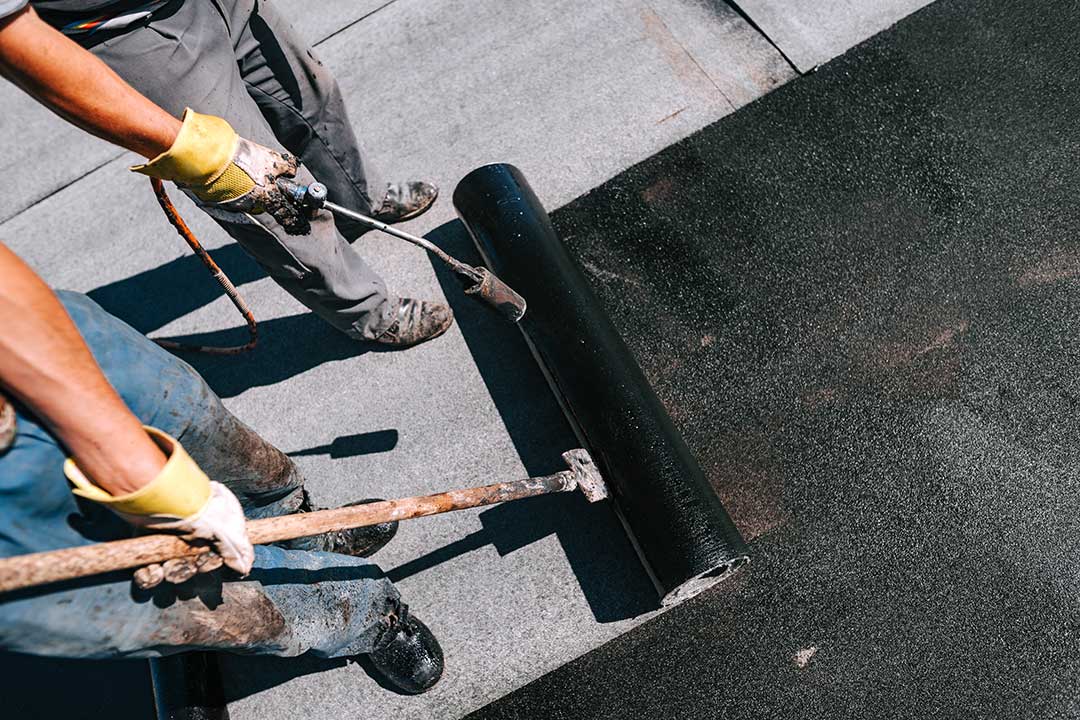
Attempting repairs during the winter or very wet periods can also be problematic—cold, damp conditions make it harder for new shingles to seal correctly and for color to reveal its true tone.
Is It Ever Necessary to Replace a Larger Section Instead?
In some cases, matching individual shingles may be impossible—especially on older roofs where the original color is discontinued. For roofs over 15-20 years old, or if a widespread hailstorm has affected large areas, a small patch might actually draw more attention than it solves. If matching isn’t feasible, replacing an entire plane or section (such as a back roof slope) helps maintain a uniform look while still avoiding a complete reroof.
In Delmar, roofs that have suffered multiple minor repairs over the decades sometimes reach a point where partial replacement is less noticeable and more cost-effective than a patchwork of visible new shingles.
How Does Local Climate Influence Shingle Longevity and Appearance?
Seasonal temperature swings and freeze-thaw cycles in Delmar accelerate shingle aging. UV rays fade colors steadily, while hail, wind, and moss growth all leave distinct marks. As a result, the window of opportunity to get an exact shingle match may narrow more quickly than in milder climates, which is another reason to save leftovers from original installations whenever possible.
Area homeowners used to northern winters should also recognize that ice dams, which are common after heavy snowfalls, can lead to lifted or cracked singles. If replacements are installed in the spring, waiting a few weeks before checking for leakage or color blending is worthwhile.
What If You Can’t Find a Close Match Locally?
Sometimes discontinued colors or unique patterns can’t be sourced from local suppliers, especially if your roof was installed many years ago. In this case:
- Ask building supply staff if any area residents have returned leftover bundles for recycling or resale.
- Look for architectural salvage outlets carrying surplus or reclaimed shingles, especially if your home is historic or uses uncommon materials.
- Document all repairs and save a sample of every new batch for future reference to simplify future efforts.
Taking these steps makes future patchwork less noticeable and can be particularly valuable for older homes with roofs that are otherwise in solid shape.
