
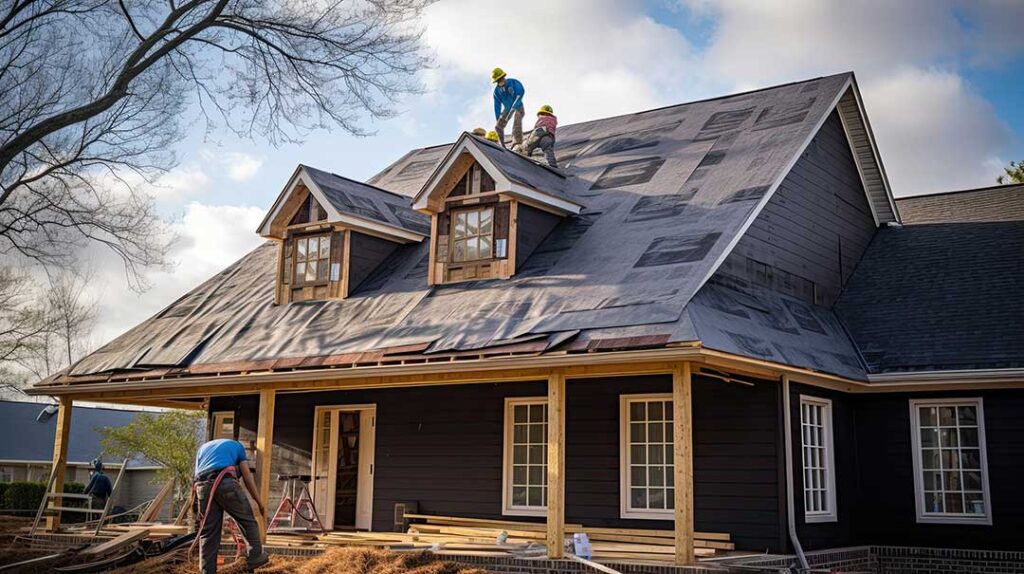
Can You Safely Work on Your Own Roof in Delmar, NY?
For many in Delmar, NY, the idea of tackling roof work without professional help seems appealing. Certain jobs can be handled by homeowners, but not all repairs or maintenance tasks are safe to do yourself. Deciding if it’s truly safe comes down to your experience, the kind of roof you have, the weather, and the specific repair required.
What Types of Roof Work Are Typically Safe for Homeowners?
Small, low-risk projects like clearing roof debris, cleaning gutters, or replacing a missing shingle on a single-story house are usually manageable. In Delmar, steep roofs or older homes may pose more hazards. If a task doesn’t involve significant height or heavy lifting, is on a relatively flat surface, and the materials are easy to handle, it may be within reach for most residents.
Common examples include:
- Cleaning leaves or branches after a storm using a stable ladder
- Replacing up to a handful of clearly damaged asphalt shingles
- Inspecting for visible nail pops or cracks from solid footing
For anything structural, or when persistent leaks are involved, deeper problems often require more expertise.
What Weather and Seasonal Conditions Affect Roof Safety Here?
Roof work is only safe when surfaces are dry and stable. In Delmar, weather shifts quickly, especially in the spring and fall. Early morning dew, rain from lake-effect storms, and surprise snow in late autumn or even early spring create surfaces far more slippery than many realize.
Roofing should never be attempted:
- During or right after precipitation
- When surfaces are icy, with frost, or temperatures are near freezing
- If winds are strong enough to impact balance or tools
Humidity and shade from local tree cover may cause mold or moss, creating slick patches invisible from below. Before working, check the underside of shoes for moisture and debris.
How Tall or Steep of a Roof Is Safe to Work On without Special Training?
Single-story ranches common in neighborhoods around Delmar are sometimes accessible with a household ladder. Two-story homes or those with steep rooflines—especially roofs exceeding a 6:12 pitch (six inches rise per foot)—pose increased risk of falls. Sidewalks, driveways, and landscaping below increase injury risk during an accidental slip.
If you are not fully comfortable ascending and descending the ladder steadily, or if any part of the roof is hard to reach even with a long ladder, it is not considered a safe do-it-yourself job.
Are There Local Regulations or HOA Restrictions to Check First?
Delmar residents in certain neighborhoods may have homeowners’ association guidelines or local codes about roof work, especially for visible repairs. Most basic maintenance is allowed, but alterations to roofing materials, color, or structural changes might require written consent. Homeowner’s insurance policies could also have terms about unauthorized repairs, particularly after storms or severe weather events.
Check:
- Community association rules for guidance
- Any notification or permit requirements for visible repairs or major work
- Insurance coverage for work you do yourself
What Safety Gear Is Needed for Basic Roof Jobs?
Proper equipment makes DIY roof work safer. At minimum, use:
- A sturdy, appropriately-sized ladder placed on level ground (never on snow, mud, or loose gravel)
- Non-slip, closed-toe shoes with good grip
- Work gloves to protect hands from rough surfaces or sharp edges
- Safety glasses if working with tools or removing debris
For anything above a first floor, wearing a safety harness attached securely to a rooftop anchor point is recommended. Even simple roof cleaning benefits from protective clothing and steady footing.
What Hidden Risks or Common Mistakes Should Area Homeowners Watch For?
Even the most confident do-it-yourselfer in Delmar can miss subtle hazards that professionals know to check for:
- Hidden insect nests beneath eaves can startle you unexpectedly
- Roof decking weakened by rot may collapse under modest weight
- Power lines close to the home’s edge are especially dangerous—never lean a ladder against or near them
- Old shingles can be more brittle than expected, breaking under normal foot traffic
Falls remain the biggest risk for DIY roof work. Slipping on loose granules, stepping on soft decking, or simply losing balance when carrying tools are common sources of injuries.
When Does Roof Work Cross the Line into Unsafe Territory?
If a repair involves:
- Leaks inside walls or ceilings (which indicate hidden damage)
- Any sign of sagging or soft boards beneath shingles
- More than a few shingle replacements at once
- Soffit, flashing, or chimney work that requires cutting or prying
—these are best left to trained professionals with safety equipment and local code knowledge.
Any local roof surface higher than two stories, or with a complex pitch, should also be avoided for DIY attempts.
What Should You Do If You Start a Task and Conditions Change?
If wind picks up, light rain starts, or you notice the roof feels less stable than you expected, it’s safest to descend and reassess. The most preventable injuries happen when someone tries to finish quickly “just this once.” Using caution and patience is always wiser than risking a fall or causing extra roof damage.
Are There Seasonal Tips That Help Reduce Risk for Local Homeowners?
In Delmar, waiting until mild, dry weather is the single best way to stay safe—usually late spring through early fall. Avoid mid-winter attempts, and always be aware of pollen, leaves, and early frosts that change footing, especially in shady spots. Early evening may offer cooler temperatures in summer but also brings lower light, which can conceal hazards.
Checking for signs of wildlife is important, too, since raccoons, squirrels, and birds often nest in attics or gutters in the area.
