
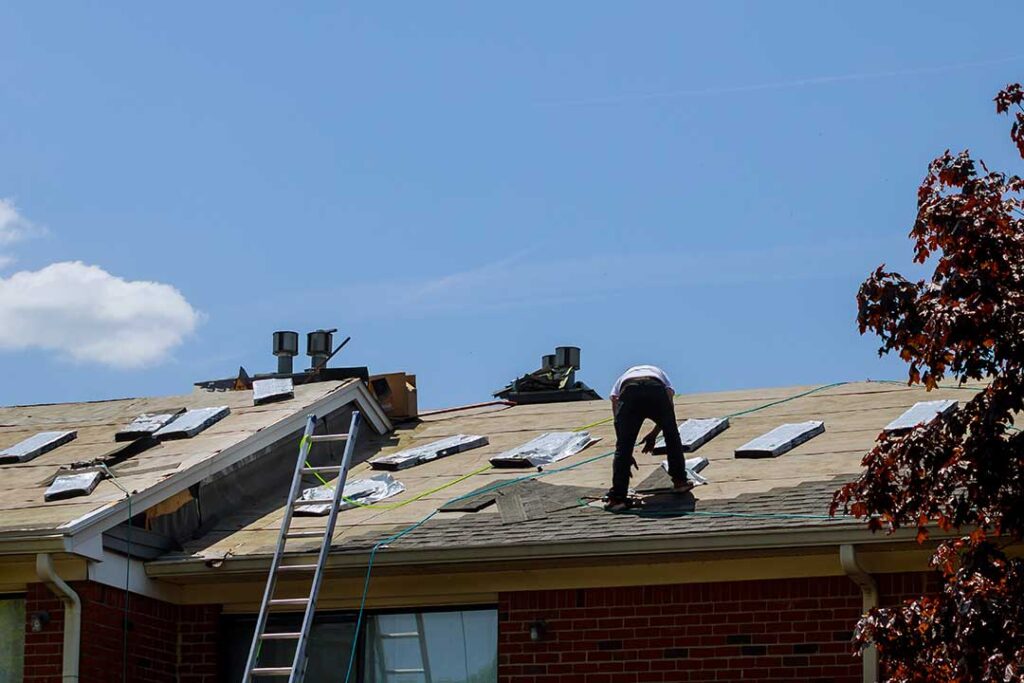
What Are Cool Roofs, and How Do They Work?
A cool roof is specifically designed to reflect more sunlight and absorb less heat than a standard roof. This is typically achieved by using reflective materials or specialized coatings on shingles, tiles, or membranes. In Delmar, NY, where summers can be warm and humid, cool roofs help homes stay at a more comfortable temperature indoors, especially on sunny days.
The core principle is simple: lighter color roofing and modern reflective surfaces bounce solar radiation away from your home rather than transferring that heat inside. As a result, attics and upper floors remain cooler, even in the peak of summer.
How Can Cool Roofs Lower Energy Bills in Delmar?
Cool roofs can reduce both indoor temperatures and overall cooling costs for area households, particularly during the hottest months of the year. By reflecting a significant portion of sunlight, these roofs decrease the demand on air conditioning systems.
For example, in typical single-family homes with older, darker roofs, attic temperatures can climb extremely high during July and August. A cool roof can often keep attic and ceiling temperatures several degrees lower. Local energy studies and building codes point out that this change often translates to measurably lower air conditioner use—helpful for reducing electricity bills and household energy consumption without changing daily routines.
Do Cool Roofs Last as Long as Traditional Roofs?
Cool roof materials are available in many common roofing types, including asphalt shingles, metal, tile, and membrane products. Their longevity is generally comparable to conventional options, provided they’re installed and maintained properly.
In fact, by reflecting heat, cool roofs can actually slow some forms of weathering. Less thermal stress means roofing materials are less likely to buckle, crack, or degrade from ongoing heat exposure. In a climate that swings between hot summers and cold, snowy winters, this added durability can be valuable for long-term homeowners.
Are Cool Roofs Practical with Local Weather Patterns?
Yes, reflective roofing is well suited to local weather conditions. In Delmar, roofs must handle humidity, occasional severe summer storms, leafy debris, and icy winter weather. Modern cool roof products are designed to stand up to varied conditions, including ice dam formation and high winds, as long as proper installation and attic ventilation are maintained.
A practical consideration for local homeowners: the benefits of a cool roof are most noticeable during summer and late spring. During winter, the reflective nature of cool roofs has minimal impact because home heat loss in cold weather mostly occurs through air leaks, insulation gaps, or other sources unrelated to roof color.
Do Cool Roofs Help with Local Environmental Concerns?
By lowering air conditioning use during peak demand periods, cool roofs indirectly reduce greenhouse gas emissions for the community as a whole. Reduced energy consumption means power plants release less carbon dioxide, particularly during hot spells when electricity use spikes across the grid.
Cool roofs can also help reduce the “heat island” effect often seen in neighborhoods with lots of pavement and dark rooftops. While this is a more visible issue in denser urban centers, the cumulative benefits are relevant in suburban communities too, especially as local summers become warmer over time.
What Styles and Materials Are Available?
Cool roofing is no longer limited to flat, commercial roofs or stark white finishes. Residential products on the market include:
- Light-colored asphalt shingles with special granules
- Reflective metal roofing in various colors and finishes
- Clay, slate, or concrete tiles with surface treatments
- Fluid-applied reflective coatings for low-slope or older roofs
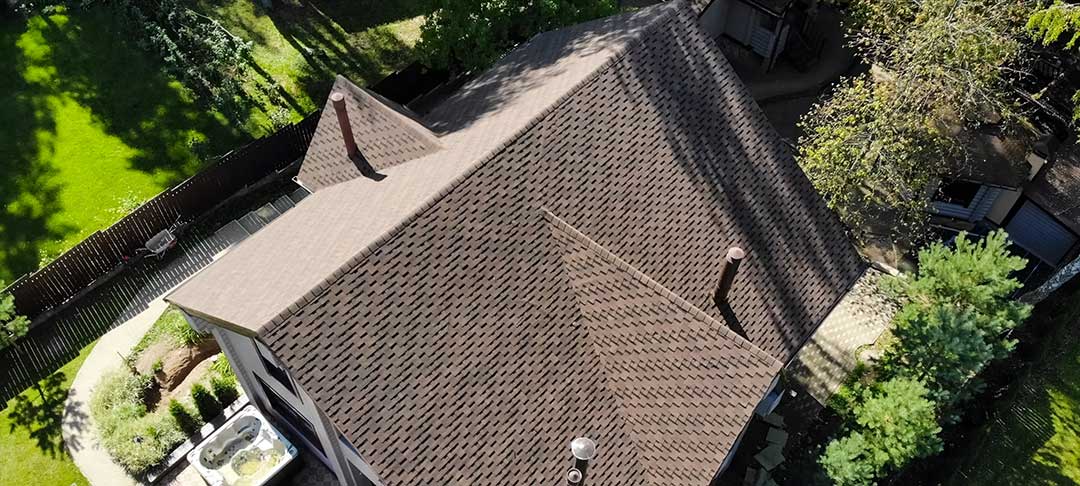
Most options are visually similar to conventional roofing, so they blend well with different home styles in the area. When planning a re-roof or major home improvement, it’s relatively easy to incorporate reflective options without sacrificing curb appeal or neighborhood character.
Are There Building Codes or Regulations That Affect Cool Roofs Here?
For most single-family homes in Delmar, current local building codes do not require cool roofing, but they do allow it. Cool roofs meet or exceed basic structural and fire safety standards when installed according to manufacturer guidance. Some energy codes and incentive programs, at the state or national level, may offer resources for those considering high-efficiency building materials, but these are typically voluntary for homeowners.
If living in a homeowners’ association or historic district, always check any exterior material guidelines before selecting a new roof. Roof color and reflectivity may be subject to additional review in these cases.
What Are the Most Common Misconceptions?
Several misunderstandings often arise about cool roofs:
- “They only work in hot climates.” While their biggest impact is in summer, even regions with cold winters see meaningful summer energy savings.
- “Cool roofs look too different.” Modern materials are available in many standard shades and styles, so most neighbors won’t notice a difference.
- “They cause winter heating costs to rise.” In practice, roof color has little impact on winter heating in well-insulated homes, since heat loss primarily escapes through air movement and insufficient insulation rather than roof absorption.
What Should Residents Know Before Considering a Cool Roof?
Think about home orientation, shade from nearby trees, and overall attic ventilation. If your house already stays cool because of mature tree cover, a cool roof may not change indoor comfort as much as it would for a sun-exposed home. On the other hand, if the attic tends to trap heat in summer or if air conditioning runs continuously, a cool roof could offer noticeable relief.
Upgrading insulation and ensuring vents are not blocked can further enhance the effectiveness of any reflective roofing system. Choosing roofing with an Energy Star label or similar independent certification may also help simplify product comparisons for local residents.
