
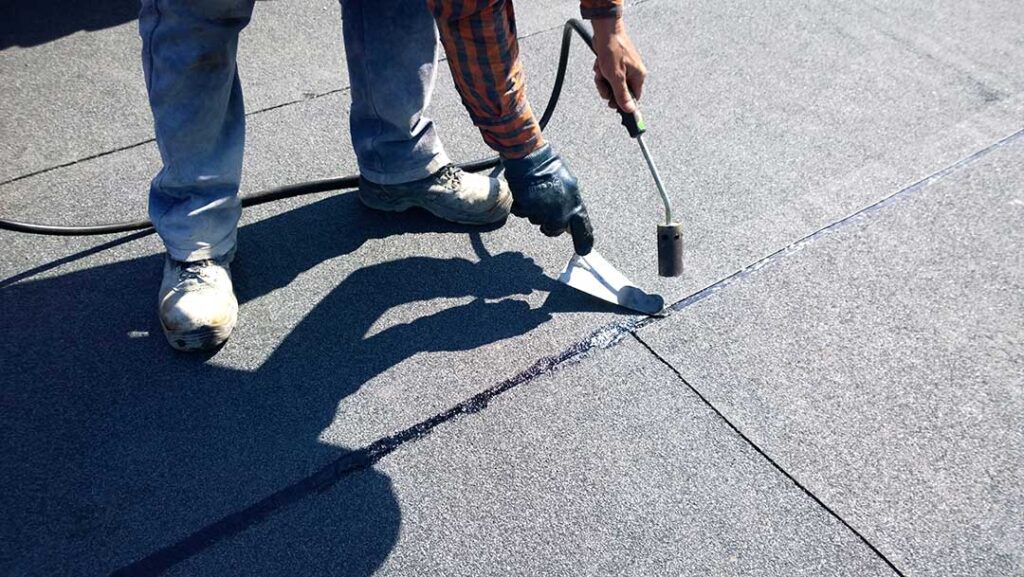
What Basic Tools Should Residents Have for Roof Maintenance?
A basic set of roofing tools helps local homeowners address minor issues before they become bigger problems. Keeping these essentials on hand makes it possible to safely clear debris, check for damage, and handle small repairs typical for Delmar’s seasonal changes.
Essential items include:
- Sturdy extension ladder: Reach most single- and two-story roofs with stability.
- Work gloves: Protect hands from rough shingles and debris.
- Safety goggles: Shield eyes from dust, granules, or falling branches.
- Flat-soled shoes or boots: Improve grip and minimize the risk of slipping on asphalt or metal roofs typical in Delmar neighborhoods.
- Utility knife: Cut roofing materials or underlayment cleanly.
- Hammer or roofing hatchet: Remove or replace small nails and fasteners.
- Pry bar: Lift shingles or trim flashing as needed for minor fixes.
- Caulk gun: Apply roofing sealant in small cracks or around flashing.
How Can Residents Safely Remove Debris from Roofs?
Using proper tools and precautions is crucial for safely clearing leaves, branches, pine needles, and other debris from rooftops in the community, especially after fall storms and seasonal shedding.
To clear a roof safely:
- Use a roof rake with a telescoping handle to pull leaves and snow off pitched roofs from the ground.
- A bristle broom, never a metal rake, can gently sweep off moss or light debris if you do need to get on the roof.
- Leaf blowers (cordless or corded) are helpful for dry, loose material, but always double-check that no loose materials or fasteners could be dislodged.
- Always start from the top and work downward, minimizing the risk of pushing debris under shingles.
Residents should take extra care during wet, icy, or windy weather, waiting for dry and calm conditions before any roof work.
What Tools Are Needed for Gutter Cleaning and Why?
Gutter maintenance is a common seasonal task. The city’s mature trees mean clogged downspouts are common, especially in spring and fall.
Recommended tools for gutter cleaning include:
- Ladder stabilizer: Keeps you steady and prevents gutter damage.
- Gutter scoop or small hand trowel: Removes wet leaves and debris without damaging gutter liners.
- Garden hose with a spray nozzle: Flushes out remaining sediment and tests proper flow.
- Bucket or tarp: Collects debris so it doesn’t end up on walkways or driveways.
- Protective gloves: Guard against sharp edges and insect nests.
Many residents find that adding gutter guards or screens can reduce cleaning frequency, but occasional access is still necessary.
Are There Tools for Inspecting Roof Condition Between Professional Checks?
Regular visual checks help spot issues early, especially after windstorms, ice, or snow melts. Several easy-to-use tools make inspections safer and more effective.
Helpful inspection tools:
- Binoculars: Scan for missing shingles, lifted flashing, or moss growth from the ground.
- Flashlight: Check attic spaces for water stains or mold, especially after heavy rain.
- Chalk or wax pencil: Mark suspicious areas to return to if you spot cracks, loss of granules, or nail pops.
- Smartphone or tablet camera: Take photos or videos for reference or to consult with neighbors or community groups if unsure about possible problems.
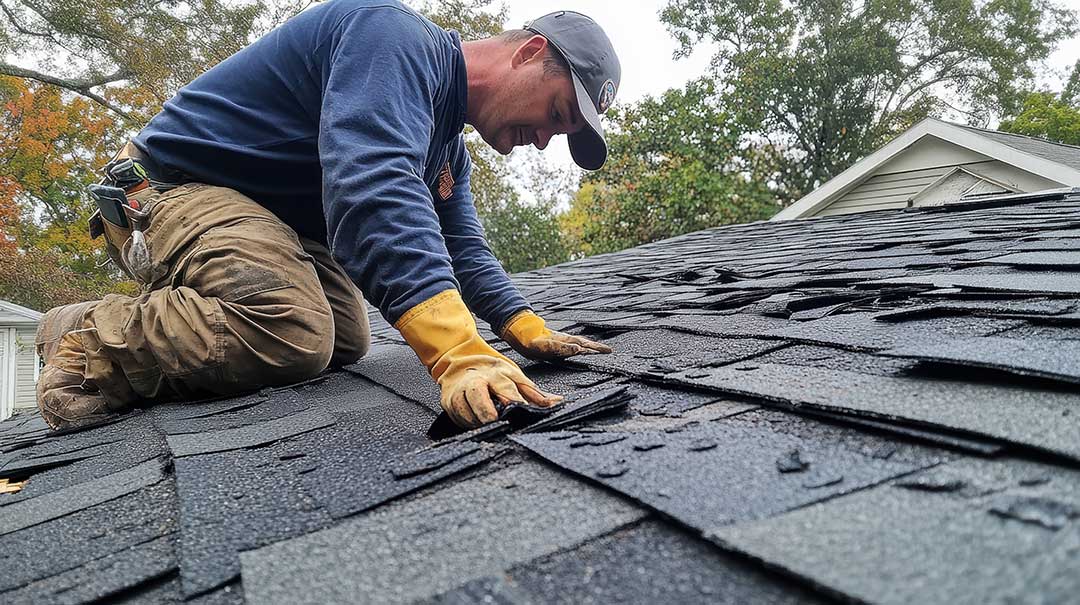
What About Tools for Minor Shingle Repairs?
Some fixes to asphalt shingles and small patches are manageable for area homeowners prepared with the right gear.
Commonly used repair tools:
- Roofing cement or asphalt sealant: Seals minor cracks and small flashing leaks.
- Putty knife: Spreads sealant evenly across problem spots.
- Replacement shingles: Always match to existing style and color for best weather resistance.
- Nail set and roofing nails: Secure new shingles in place without damaging the roof deck.
- Measuring tape and chalk line: Helps ensure repair patches line up neatly and water flows off the roof correctly.
During repairs, avoid working in direct midday sunlight, as shingles can become brittle or overly hot and difficult to handle.
Which Safety Gear Is Necessary for Roof Maintenance at Home?
Staying safe is the top priority; local homes often have moderate slopes and moderately tall eaves that can pose fall hazards.
Always consider:
- Non-slip harness and anchor kit: Especially for steeper roofs or when working more than one story off the ground.
- Padded knee pads: Reduce strain during kneeling or crawling tasks.
- Hard hat: If trees overhang your home, protecting from falling twigs is smart.
- Work shirt and full-length pants: Offers some protection against sun and scratches from intense seasonal winds or brushing against rough surfaces.
Residents should skip any task that feels unsafe or requires working near power lines, very steep roofs, or on brittle or decaying materials.
Are There Tools or Practices Residents Often Overlook?
A few tools are underused but can make maintenance smoother:
- Moisture meter: Detects hidden leaks in attics or under shingles, valuable during Delmar’s wet spring and autumn.
- Roofing brush with soft bristles: For gently removing algae or moss without stripping shingle coating.
- Self-sealing roof repair tape: Provides a quick fix for small holes in flashing until a more extensive repair can be arranged.
- Headlamp: Useful for checking attic eaves or hard-to-see areas after dark or during rain.
Skipping these tools may result in missed early warning signs, more time spent working, or less effective maintenance, especially in variable weather conditions common in the community.
