
How Can Residents Tell If a Roof Was Installed Incorrectly?
Poor roof installation can lead to leaks, premature aging, and higher costs for repairs or replacements. In Delmar, NY, weather extremes from snowy winters to summer thunderstorms put extra stress on roofing systems, so proper installation is especially important for roof longevity and home protection.
Some clues are easy to spot, while others require a closer look. Frequent leaks, uneven shingle lines, or visible gaps are all potential warning signs. Homeowners can do a basic visual check from the ground or a safe vantage point, but even without climbing up, many indications of sloppy workmanship are noticeable.
What Are the Most Obvious Visual Indicators?
Several visual cues tend to appear when a roof isn't installed the right way:
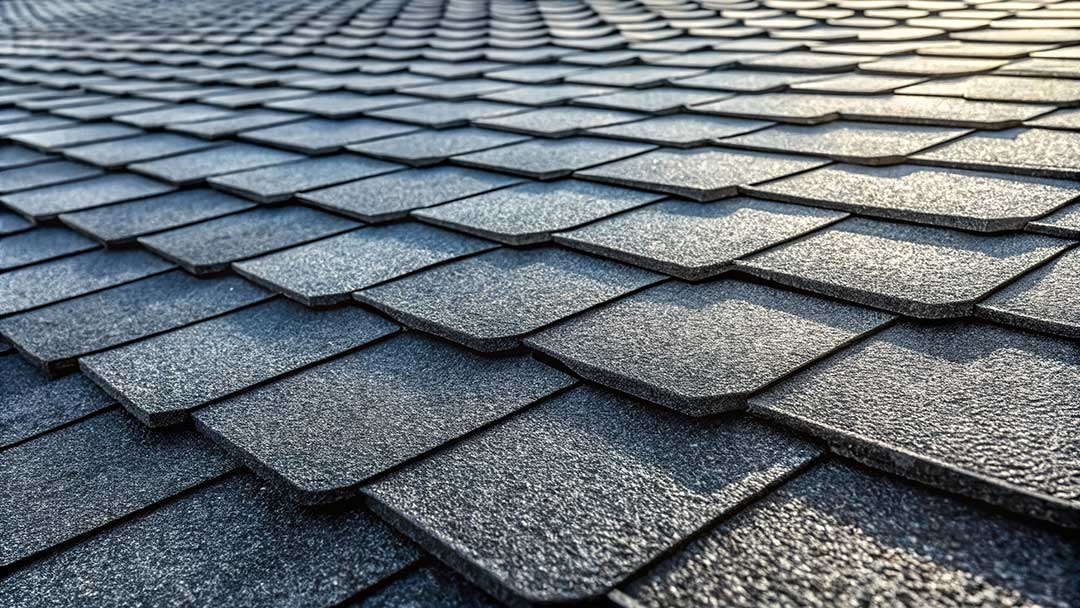
- Irregular or wavy shingle patterns: Shingles should be laid in crisp, even rows. Crooked, uneven, or wavy lines signal shortcuts or inattention. In many Delmar neighborhoods with pitched roofs, such visual irregularities are especially noticeable after rain, when water may pool or channel incorrectly.
- Visible nails or fasteners: Roofing nails should never be exposed to the elements. If shiny nail heads or rusted fasteners are visible, water can seep in and eventually rot the structure below.
- Gaps at ridges, valleys, or edges: Roofing materials need to fit snugly together, especially at seams and transitions. Gaps may let in water, pests, or wind-driven debris.
- Loose, missing, or misaligned shingles: Strong winds common in the area can easily displace poorly secured materials. If shingle edges lift easily or whole sections seem loose after a storm, this goes beyond normal wear and is likely due to installation errors.
How Do Leaks Reveal Poor Installation?
A new or recently replaced roof should remain watertight. In Delmar, spring thaws and sudden downpours can quickly expose even small flaws:
- Ceiling stains or dampness: Water spots on ceilings or walls, especially after a storm, are a clear sign water is getting through the roof system. Common leak points include around chimneys, vent pipes, skylights, or in valleys where two roof planes meet.
- Mold or mildew in attic spaces: Even a slow drip or minor seepage can lead to musty smells and visible mold on rafters or insulation. In homes where the attic isn’t regularly checked, such problems may go unnoticed until damage worsens.
- Ice dams in winter: While some ice damming can result from insulation issues, persistent or unusual ice buildup at the edge of the roof may also mean underlayment, flashing, or ventilation were poorly installed. Water from melting snow backs up behind the dam and leaks into the house.
Why Does Flashing Matter, and What Are Signs of Problems?
Flashing—thin pieces of metal installed at roof joints and penetrations—directs water away from vulnerable areas:
- Loose or poorly sealed flashing: Around chimneys, skylights, and vent pipes, flashing should be tight and properly overlapped. If sections are sticking up or missing, water can easily infiltrate.
- Improper materials: Sometimes shortcuts are taken with nonstandard or incompatible materials. Over time, these materials may corrode, split, or separate, accelerating roof problems.
In Delmar, where freeze-thaw cycles are frequent in fall and spring, even small flashing failures can result in rapid deterioration.
Are There Signs That Show Up Inside the Home First?
Yes, many symptoms start indoors. Besides damp spots and mold, residents might notice:
- Drafts or temperature swings in attic rooms: Improper roof venting, poor insulation, or skipped underlayment during installation can make finished attic rooms or upstairs areas uncomfortably hot or cold.
- Unexplained increases in heating or cooling bills: When roofing layers don’t properly overlap, air may escape, forcing HVAC systems to work harder. Over months, this adds up in energy costs.
- Attic daylight: During a daytime attic visit, slivers of light shining through the roof boards or flashing usually signal installation mistakes and potential water entry points.
How Can Ventilation Problems Indicate Poor Installation?
Good roofing practice in this area involves making sure roofs can "breathe" despite harsh weather extremes. Without adequate intake and exhaust ventilation, trapped moisture can rot roof decks and shorten shingle life.
Clues of poor ventilation:
- Hot, stuffy attics in summer or strong mildew odors: This is especially common in older homes or roof replacements where vents were covered or omitted during installation.
- Visible rot on structural wood: Damp attic air over time leads to darkened, soft spots in sheathing or rafters. Wet insulation is another red flag. These are problems that could escalate with Delmar’s humidity and temperature swings.
What Misconceptions Do Residents Often Have?
It’s common to assume a new roof means years without worry. However, even new materials can fail early if not installed properly. Another misconception is that patching visible damaged areas addresses the root of the problem, when issues like bad flashing or missing underlayment may affect unseen sections.
Some residents also mistakenly believe that all roofers follow the same methods or codes, but installation quality varies widely. Relying on permits or brief final inspections does not always guarantee correct workmanship for every detail.
Which Small Details Are Overlooked But Important in Delmar Homes?
Local roofing seems straightforward, but in Delmar, attention to certain details makes all the difference:
- Starter shingle placement: The very first row must be installed correctly to protect roof edges from wind and water—an often-overlooked step that can cause edge leaks.
- Proper attic access sealing: If attic hatches or stairs aren’t insulated and sealed, warm, moist household air can reach the roof deck and contribute to ice dams and condensation problems above.
- Correct fastener spacing and type: Using too few nails or the wrong nail type is a shortcut that can lead to shingles blowing off in strong winds common in the region.
Addressing these issues during installation helps roofs withstand local weather and last as expected.
