
What roofing material lasts the longest?
Slate generally offers the longest service life, often lasting 75 to more than 100 years when properly installed and supported by a sound roof structure. Clay and concrete tile can also last for many decades, while quality standing-seam metal roofing commonly serves for 40 to 70 years.
The longest-lasting material is not automatically the best choice for every home. Roof pitch, structural capacity, installation quality, snow and ice exposure, ventilation, flashing, and maintenance all affect how long a roof performs.
For homes in Delmar, NY, durability also has to account for repeated freeze-thaw cycles, winter snow, ice formation, summer sun, wind-driven rain, and falling branches during storms.
Is slate the most durable roofing material?
Yes, natural slate is usually considered the most durable residential roofing material, but it has structural and installation requirements that make it unsuitable for some houses.
Slate is a dense natural stone that resists rot, insects, ultraviolet light, and many forms of weathering. A properly installed slate roof can remain serviceable for a century or longer. Its appearance also changes slowly compared with many manufactured roofing products.
The limitations are significant:
- Slate is extremely heavy and may require structural evaluation before installation.
- It can crack if walked on improperly or struck by branches.
- Repairs require matching pieces, specialized fasteners, and careful workmanship.
- Flashing and underlayment may need replacement before the slate itself wears out.
- The roof structure must be capable of supporting the material and winter snow loads.
Slate is often most practical on homes already designed for it or on buildings where long-term historic character is a priority.
How durable is metal roofing?
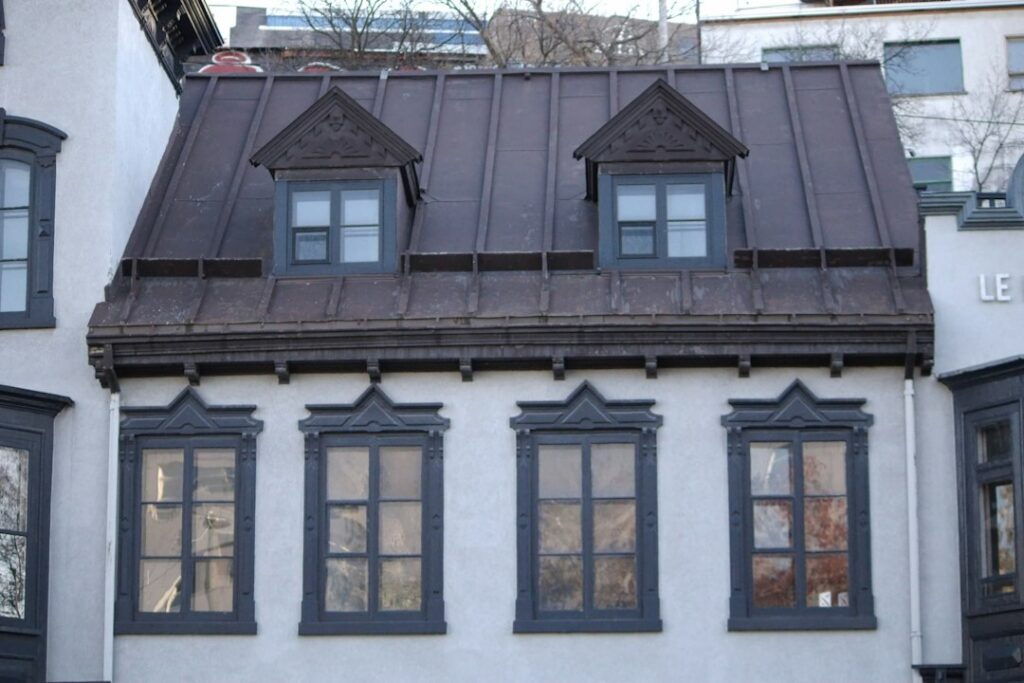
Metal roofing is one of the most versatile long-life options for the region. Standing-seam panels made from steel, aluminum, or other corrosion-resistant metals can last several decades, with service life depending heavily on the coating, metal thickness, roof design, and installation details.
Metal performs well against:
- Heavy rain and snow
- Strong winds
- Embers from nearby fires
- Moss and algae growth
- Insects and biological decay
A properly designed metal roof sheds snow efficiently, but that can create a safety concern around entrances, walkways, and lower roof sections. Snow guards may be needed where sliding snow could injure people or damage property.
Metal roofs are not maintenance-free. Fasteners, penetrations, sealants, valleys, and exposed edges deserve periodic inspection. Scratches or cut edges should also be addressed before corrosion spreads.
Metal panels can sometimes amplify rain or hail noise, especially over lightly insulated roof assemblies. Attic insulation and a well-designed roof deck can reduce that effect.
Are clay and concrete tiles durable in cold climates?
Clay and concrete tile can last 50 years or more and, under favorable conditions, considerably longer. Both materials resist sunlight, insects, and rot. Clay tile is especially stable over time, while concrete tile is generally more widely available and may provide a lower-cost long-life alternative.
Cold-weather performance depends on the specific product and installation system. Tiles must be manufactured for freeze-thaw conditions, installed with suitable underlayment, and attached according to the roof design. Water that enters cracks or porous areas can freeze and expand, damaging the material.
Tile is also heavy. A roof framed for asphalt shingles may not be able to support tile without modification. Individual tiles can break from falling limbs, foot traffic, or improper snow-removal methods, even though the overall system may have a long service life.
Do premium asphalt shingles last as long as metal or slate?
No. Even high-quality architectural or luxury asphalt shingles generally have a shorter service life than slate, tile, or well-maintained metal roofing. However, asphalt remains a practical choice because it is lighter, adaptable to many roof designs, and easier to repair.
Typical service life varies widely:
- Basic three-tab shingles may last roughly 15 to 25 years.
- Architectural shingles often perform for about 25 to 35 years.
- Heavier designer-style shingles may last longer under favorable conditions.
Actual performance depends on attic ventilation, roof slope, shade, algae exposure, storm damage, and installation quality. A shingle rated for a particular number of years is not a guarantee that the roof will reach that age in every setting.
For many area households, a well-installed architectural shingle roof may provide a reasonable balance of cost, weight, repairability, and expected service life.
What roofing material handles snow and ice best?
No roofing material prevents ice dams by itself. Ice dams are usually related to uneven roof temperatures, heat escaping into the attic, inadequate air sealing, insufficient insulation, and limited ventilation.
A durable cold-climate roof assembly should include:
- Properly installed underlayment
- Ice-barrier protection in vulnerable areas
- Adequate attic insulation
- Continuous ventilation where the roof design permits it
- Carefully sealed penetrations and transitions
- Correct flashing at walls, chimneys, skylights, and valleys

Metal, slate, tile, and asphalt shingles can all perform in snowy conditions when the complete roof system is designed correctly. Material selection matters, but roof assembly and drainage details often matter more.
Snow should not be removed by walking on fragile slate or tile. Metal roofs may require planning around snow shedding, and heavy accumulations should not be ignored if there are signs of structural strain, unusual roof sagging, or blocked drainage.
Which durable roofing material is best for an older home?
The best material depends on the existing structure rather than age alone. Older homes may have irregular roof framing, multiple additions, limited attic ventilation, or decking that has been covered by several previous roof layers.
Before choosing a long-life material, consider:
- Whether the roof framing can support added weight
- The existing roof pitch and drainage pattern
- The condition of the sheathing
- The number and location of chimneys, dormers, and valleys
- Whether attic moisture or ice-dam problems already exist
- How easily the material can be repaired in the future
A lighter material may be more appropriate where structural capacity is limited. Conversely, a heavier system may be feasible if the framing is suitable and the design is properly engineered.
Does installation matter more than the material?
Installation quality can determine whether a durable material reaches its expected life. Slate can fail prematurely because of poor flashing. Metal can leak around improperly sealed penetrations. Tile can crack or shift when fastened incorrectly. Asphalt shingles can lose wind resistance when nails are misplaced or the roof deck is deteriorated.
The most important details include flashing, underlayment, ventilation, fastening, edge treatment, drainage, and compatibility between materials. A roof with excellent covering material but poor water-management details may not be durable.
Local code requirements also matter, particularly for ice barriers, underlayment, roof replacement, structural changes, and snow-related design considerations. Requirements can vary by the type of work and the building itself.
How should homeowners compare roofing durability?
Look beyond a product’s advertised lifespan. A useful comparison includes:
- Expected service life in the local climate
- Weight and structural requirements
- Resistance to wind, impact, moisture, and fire
- Ease of locating compatible repair materials
- Maintenance needs
- Performance around snow, ice, valleys, and roof penetrations
- Environmental effects of manufacturing and disposal
- Total cost over the roof’s expected life
For many homes, the practical choices fall into three broad categories: asphalt for lower weight and broad adaptability, metal for long service and weather resistance, and slate or tile for maximum longevity where the structure and budget support them.
The most durable roof is ultimately a complete system that matches the building, the climate, and the way the household uses the property.
