

Why inspect the roof before vacation?
A short roof inspection before leaving Delmar, NY can help prevent a minor problem from becoming interior water damage while the house is unoccupied. Wind, rain, fallen branches, ice, and blocked drainage can all create trouble that may go unnoticed for days or weeks.
The goal is not to perform a major repair before every trip. It is to identify visible warning signs, protect vulnerable areas, and make sure someone can notice a problem if weather changes while the household is away.
A pre-vacation check is especially useful before:
- Extended summer travel, when thunderstorms and heavy rain may occur
- Autumn trips, when leaves can collect in gutters and valleys
- Winter travel, when snow and ice may remain on the roof
- Spring departures, when melting snow and seasonal rain can expose existing weaknesses
What should be checked from the ground?
Most homeowners can complete a useful first inspection without climbing onto the roof. Walking around the property with a clear view of the roofline is safer and often reveals problems that need attention.
Look for:
- Shingles that are missing, lifted, curled, cracked, or visibly damaged
- Dark areas or irregular patches that may indicate moisture
- Sagging along the roof surface, ridge, or eaves
- Damaged flashing around chimneys, vent pipes, skylights, and roof-to-wall intersections
- Loose gutters or downspouts
- Granules collecting beneath downspouts or in drainage areas
- Tree limbs resting on or rubbing against the roof
- Moss, leaves, or debris gathered in roof valleys
A few irregular shingles do not always mean the entire roof is failing, but they should not be ignored before a long absence. Wind can enlarge a small opening, and rain can enter beneath loose materials.
From the attic, check for daylight, damp insulation, water staining, musty odors, or darkened wood. A dry attic does not guarantee that the roof is problem-free, but moisture evidence is a clear reason to investigate before leaving.
How should gutters and downspouts be prepared?
Gutters and downspouts need to move water away from the roof and foundation. If they are blocked, rain can back up under roof edges, spill against siding, or collect near the foundation.
Before vacation:
- Remove leaves, twigs, and compacted debris from accessible gutters
- Confirm that downspouts are connected and discharge away from the foundation
- Check for sagging sections that hold standing water
- Look for separated seams or visible holes
- Make sure extensions have not shifted or become buried
In Delmar, seasonal leaf fall can make drainage problems appear quickly, particularly near mature trees. A gutter that works during a light shower may overflow during a short, intense storm if debris has accumulated.
Avoid leaning a ladder against unstable gutters. If the roof edge is difficult to reach safely, a ground-level inspection and careful observation during rainfall may provide useful information without creating a fall hazard.
Should branches be trimmed before leaving?
Branches that touch the roof can scrape protective shingle surfaces, drop debris into valleys, and increase the chance of impact during wind. Dead or weak limbs present a greater concern because they can break unexpectedly during storms.
Branches should not be cut from a roof or ladder if they require awkward positioning, chainsaws, or work near utility lines. Those conditions create a serious safety risk. The practical question is whether a branch could fall onto the roof, block drainage, or interfere with safe access during an emergency.
Do not place heavy tools, furniture, or other objects on the roof to hold down loose material. Temporary measures can damage shingles and may fail during wind.
What roof issues should be addressed before a trip?
Visible active leaks, missing shingles, exposed underlayment, damaged flashing, and significant sagging deserve attention before an extended absence. The same is true of water stains that are growing, damp attic insulation, or ceiling damage that appears after rain.
A small cosmetic concern may be monitored if there is no sign of moisture or structural movement. However, postponing a problem is riskier when:
- Heavy rain or strong winds are forecast
- The roof is already near the end of its expected service life
- Ice buildup has occurred repeatedly
- The home has experienced previous leaks
- Snow, leaves, or branches are covering the suspected area
- Water is entering near electrical wiring or ceiling fixtures
Electrical components and wet building materials should not be handled casually. If water is near a light fixture, outlet, or other electrical equipment, shut off power to the affected area only if doing so is safe and the electrical panel can be reached without entering standing water.
Can a roof be inspected during winter?
Winter conditions make roof access more hazardous. Snow, frost, and ice can conceal damage and create a serious fall risk. Homeowners should not climb onto an icy roof or walk across snow-covered shingles to check for problems.
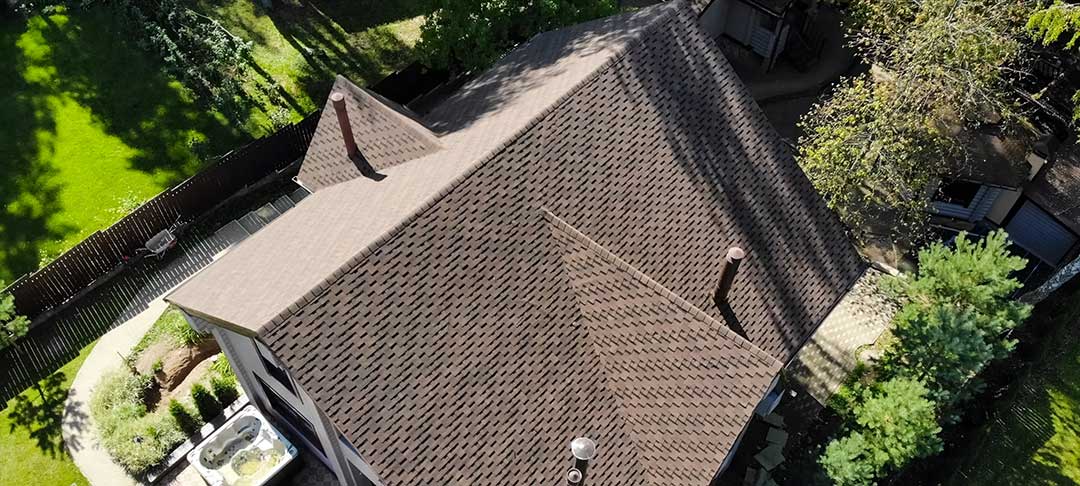
A safer winter inspection includes:
- Looking from the ground for sagging, displaced materials, or heavy ice buildup
- Checking the attic for condensation, frost, damp insulation, or staining
- Observing whether gutters are pulling away from the fascia
- Confirming that roof drains, downspouts, and exterior drainage paths remain clear
- Asking a trusted person to watch for visible changes during the trip
Ice along the eaves can be associated with ventilation and heat-loss conditions, but removing it with sharp tools can damage roofing materials. Avoid chipping at ice or using open flames.
What should be done inside the house?
Roof preparation also involves the rooms beneath it. Before leaving, inspect ceilings and upper walls for fresh stains, bubbling paint, peeling surfaces, or discoloration around skylights and exterior walls.
It is useful to:
- Move valuables away from areas with a history of leakage
- Avoid storing sensitive items directly beneath attic access points or roof penetrations
- Check that attic vents are not blocked by stored belongings
- Make sure smoke and carbon monoxide alarms are functioning
- Leave access information for the main water shutoff and electrical panel
- Tell a trusted person where to find a flashlight and emergency instructions
Turning off the main water supply can reduce the risk of plumbing damage while away, although household systems and heating equipment should be considered first. During cold weather, the heating system generally needs to remain on at a temperature that protects plumbing.
What should a house watcher know?
A reliable house watcher should know what normal conditions look like and what signs require action. Provide the person with a key or access method, emergency contact information, and permission to enter if a leak or storm-related issue is suspected.
Ask them to look for:
- Water stains or dripping ceilings
- Fallen branches or visible roof damage
- Gutters hanging loose
- Unusual attic odors or dampness
- Missing shingles in the yard after a storm
- Ice dams, heavy snow loading, or blocked downspouts during winter
After a severe storm, a ground-level check is usually safer than climbing onto the roof. If the roof appears unstable, a leak is active, or structural damage is visible, the area should be kept clear until it can be assessed safely.
What should happen after returning?
Inspect the attic, ceilings, and roofline soon after returning, especially if the area experienced strong wind, heavy rain, or snow while the home was empty. Look for new stains, damp insulation, displaced shingles, branches, and gutter damage.
Do not assume that a dry ceiling means no damage occurred. Water can travel along rafters and wall cavities before becoming visible. A musty odor, peeling paint, or a stain that grows after rainfall may indicate moisture that is not directly beneath the original entry point.
A simple record of roof concerns, photographs from the ground, and dates of previous leaks can make future inspections more useful. Keeping those observations organized also helps distinguish a new problem from an older stain.
